
Our restoration philosophy
The restoration of historical string instruments requires more than technical skill. It demands a thoughtful balance between craftsmanship, historical understanding, and respect for the original maker. Our approach is guided by the principle that every instrument represents a unique moment in the long tradition of violin making, and that restoration must serve both the instrument and its musical future.
Respect for original work
At the core of our philosophy lies a simple principle: preserve as much of the original instrument as possible.
Every historical violin, viola, or cello carries valuable information about the materials, construction methods, and artistic intentions of its maker. Tool marks, varnish layers, arching, and internal details are part of this historical record.
For this reason, our work is guided by:
- minimal intervention
- preservation of original materials whenever possible
- reversible restoration techniques
- careful documentation of all work performed
Our goal is never to erase the history of an instrument, but to protect and stabilize it while respecting the maker’s original work.
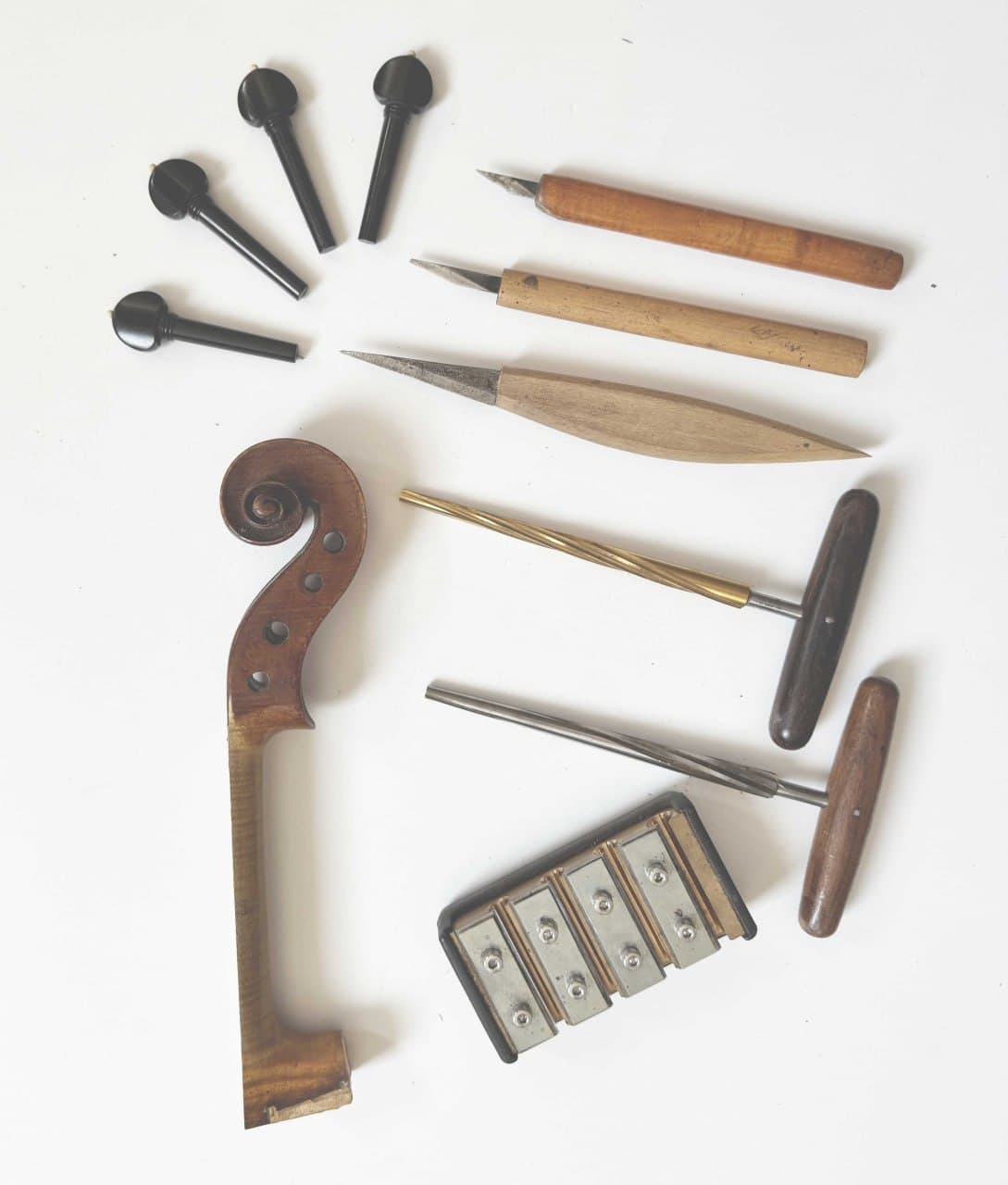
Conservation before reconstruction
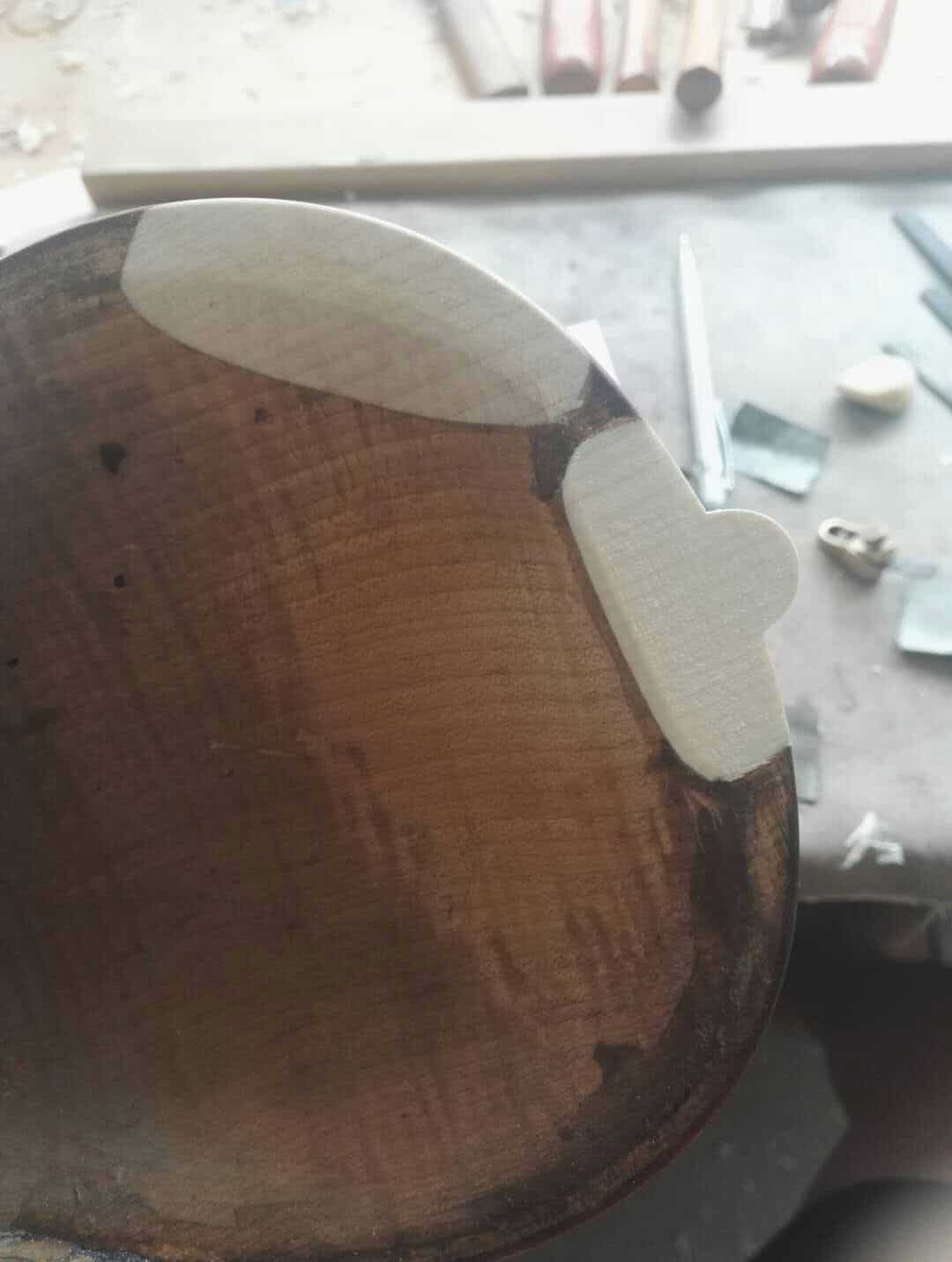
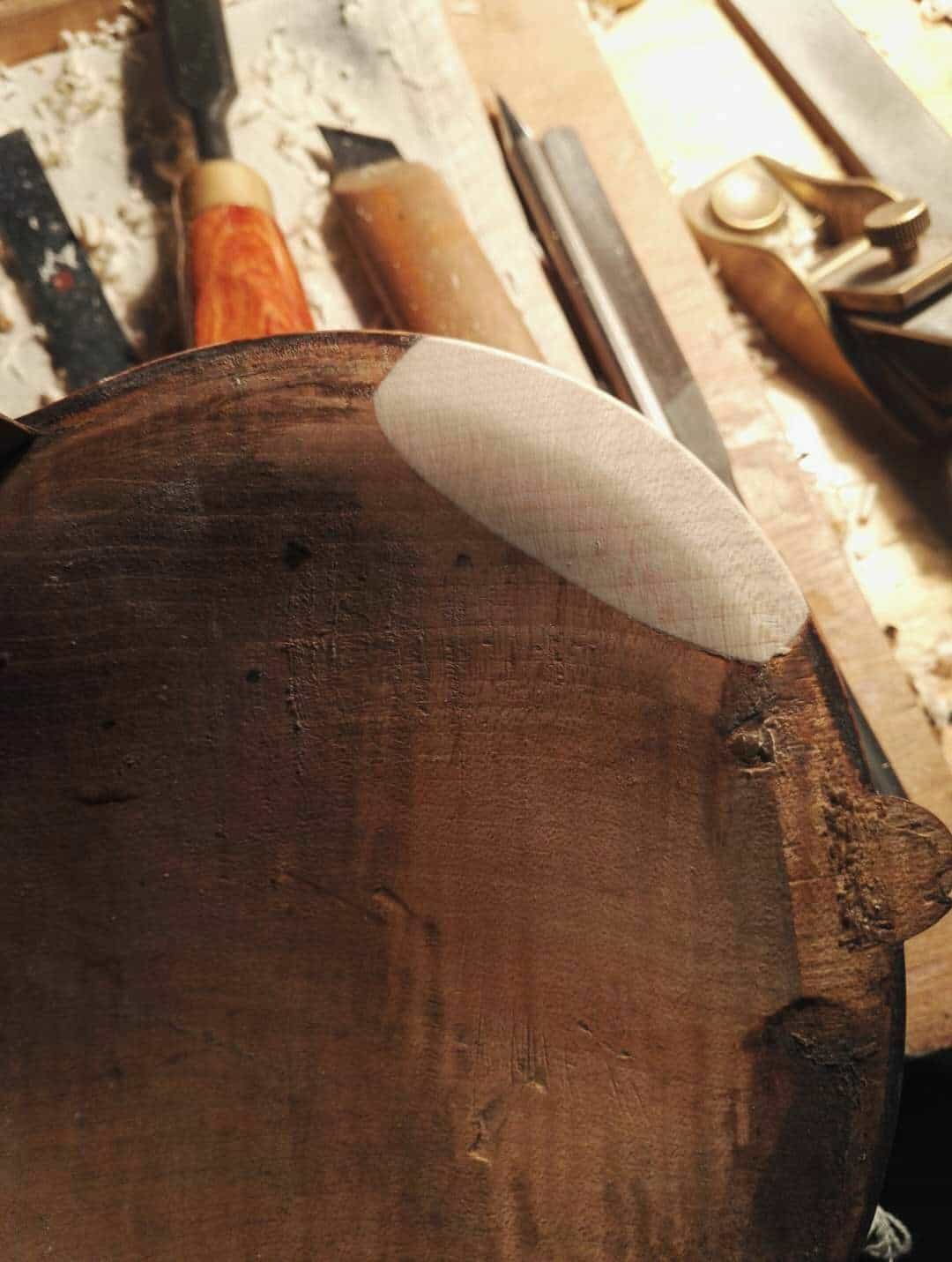
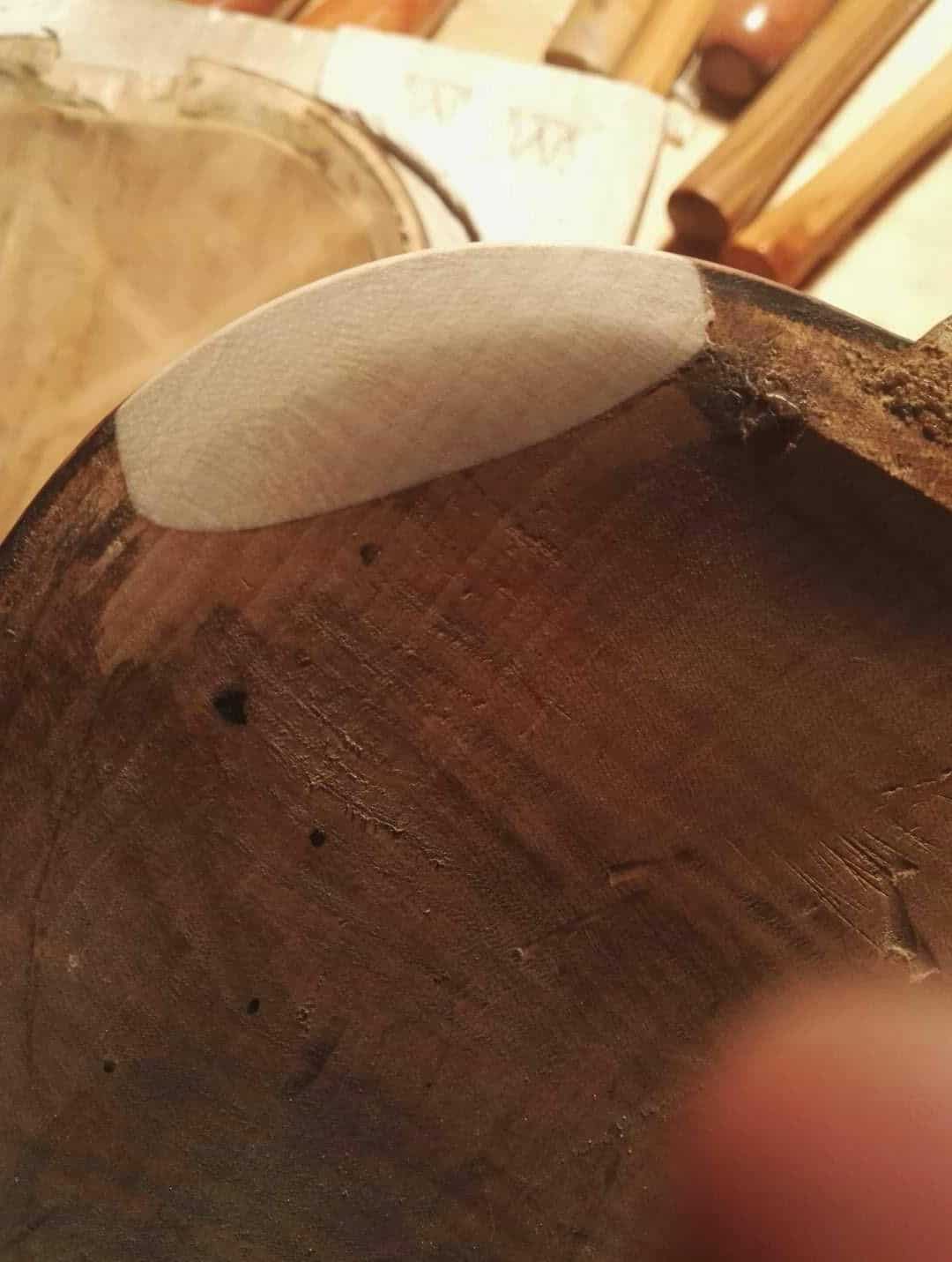
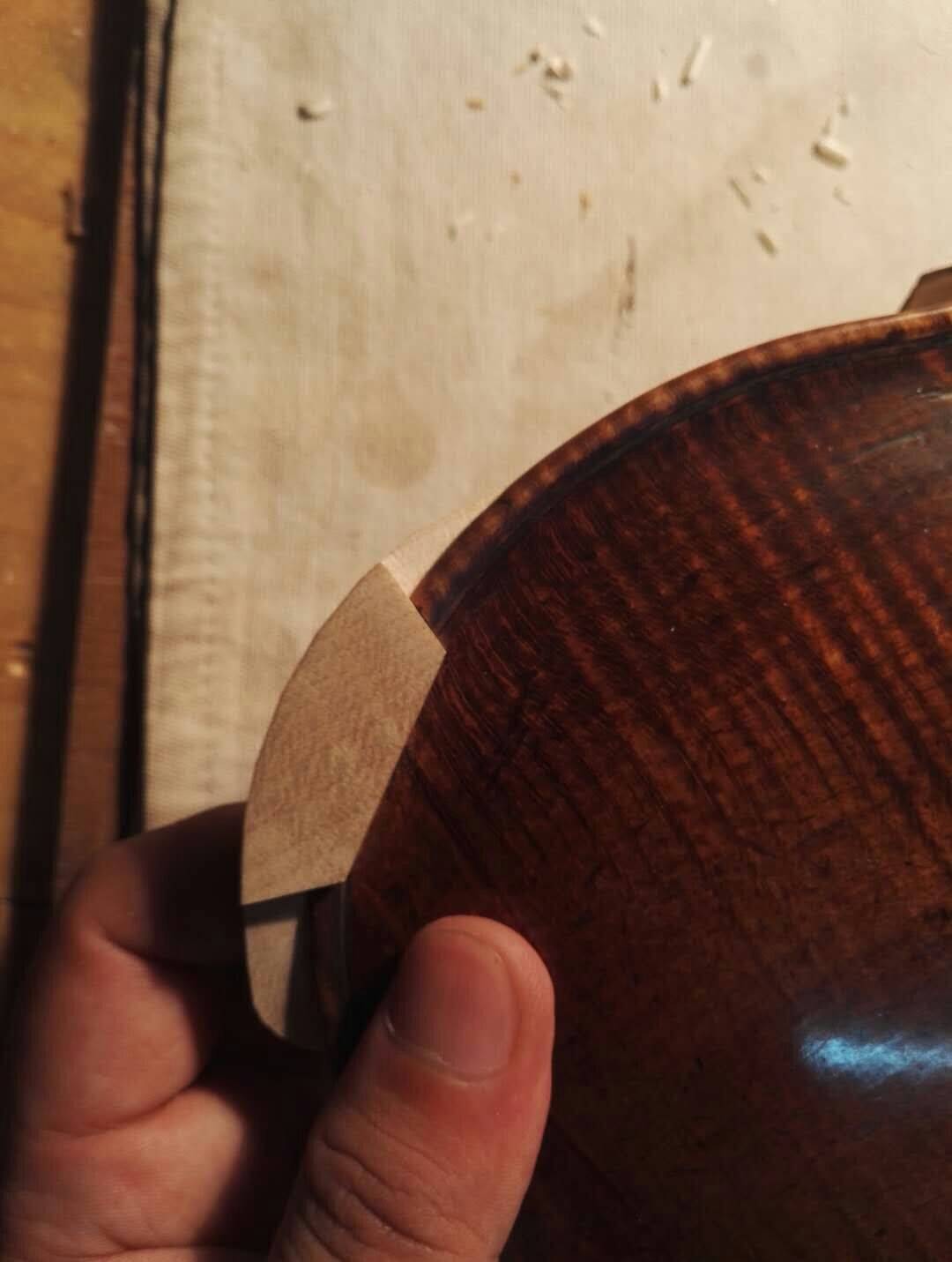
Whenever possible, we prioritize conservation rather than replacement. Stabilizing an existing structure is often preferable to introducing new materials.
Only when structural integrity or long-term stability requires it do we consider more extensive interventions. Even then, repairs are designed to integrate naturally with the original construction while remaining identifiable to future restorers.
This philosophy reflects the standards widely respected in the international violin trade and museum conservation practice.
Acoustic integrity
String instruments are unique among historical objects: they are not only preserved but actively played. For musicians, the acoustic character of an instrument is essential.
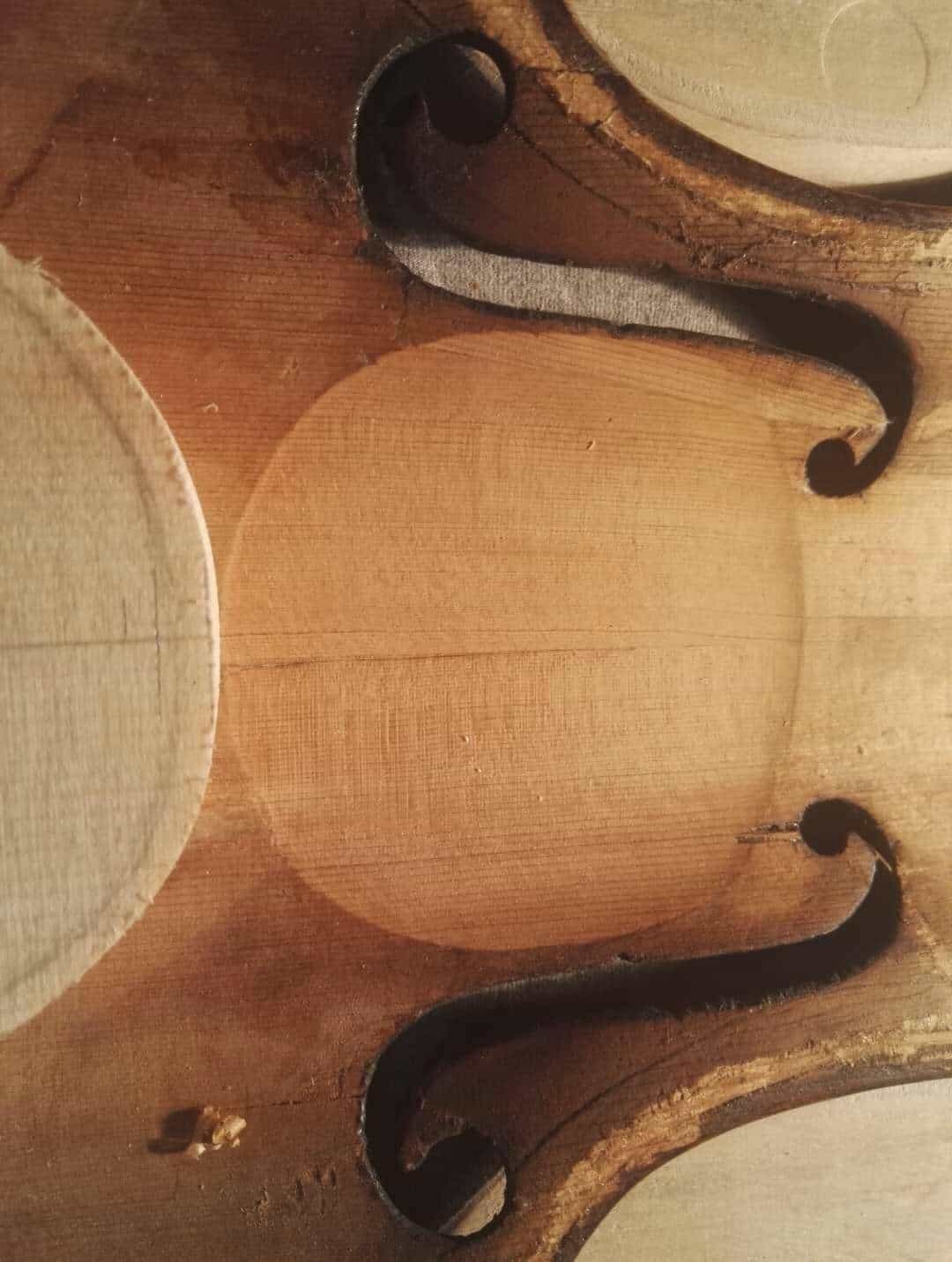
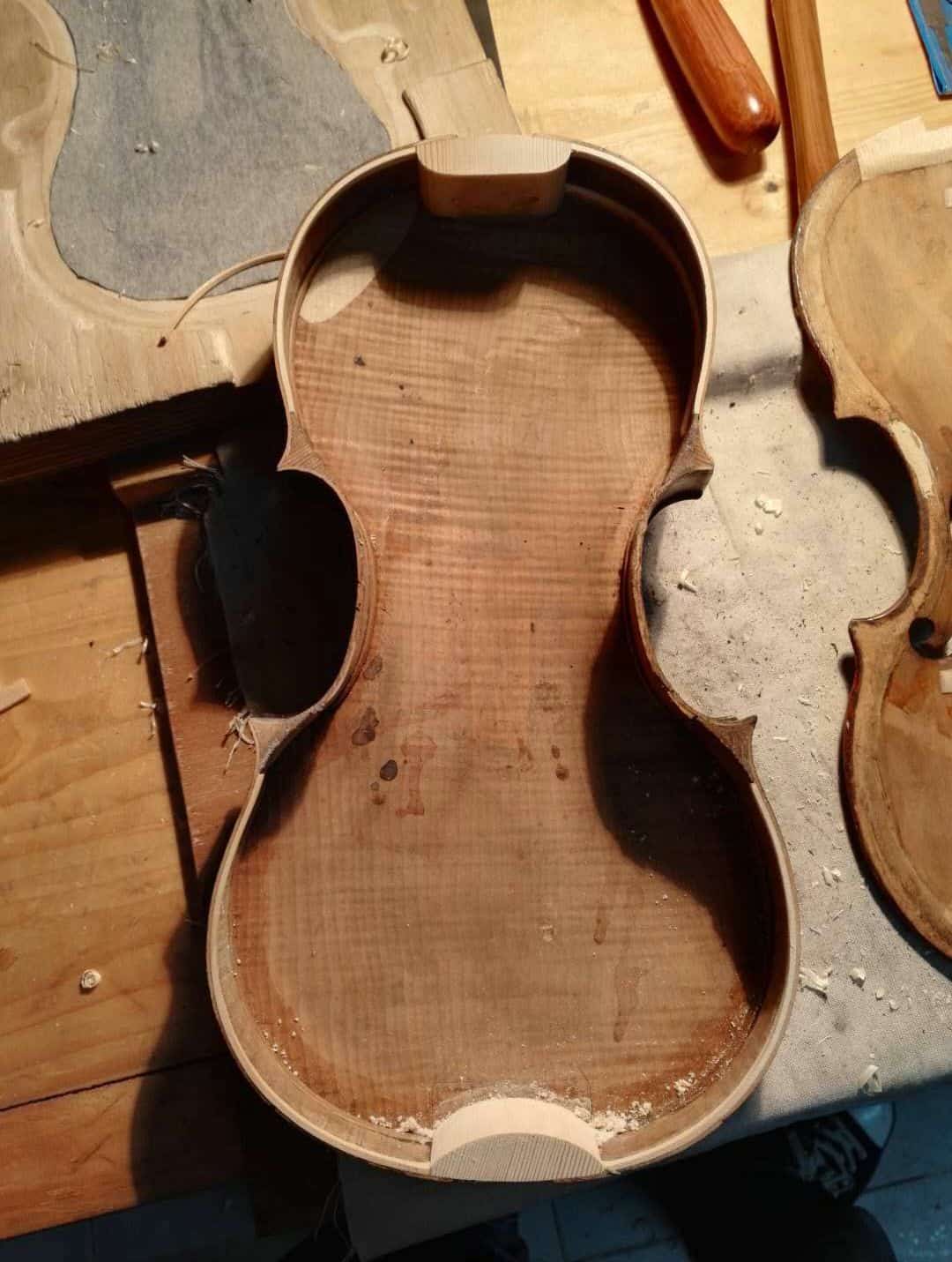
Every restoration decision therefore considers its potential influence on sound. Structural work, internal repairs, and setup adjustments are carried out with careful attention to the complex relationship between wood, tension, and vibration. Hard internal reinforcement will not help keep poorly repaired cracks closed and may harm the instrument’s sound.
Maintaining the instrument’s musical voice is as important as preserving its physical form.








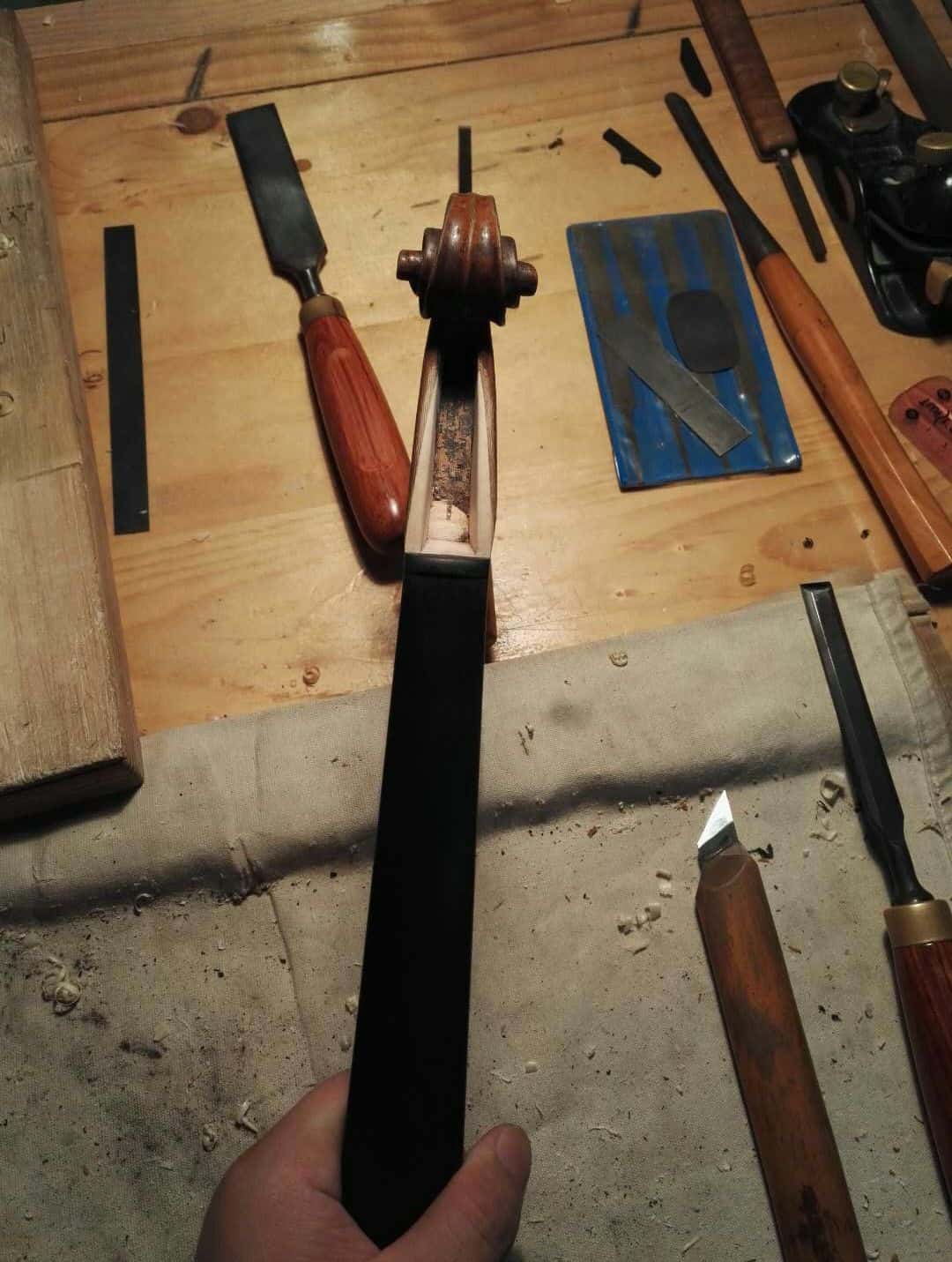


Tradition and modern knowledge
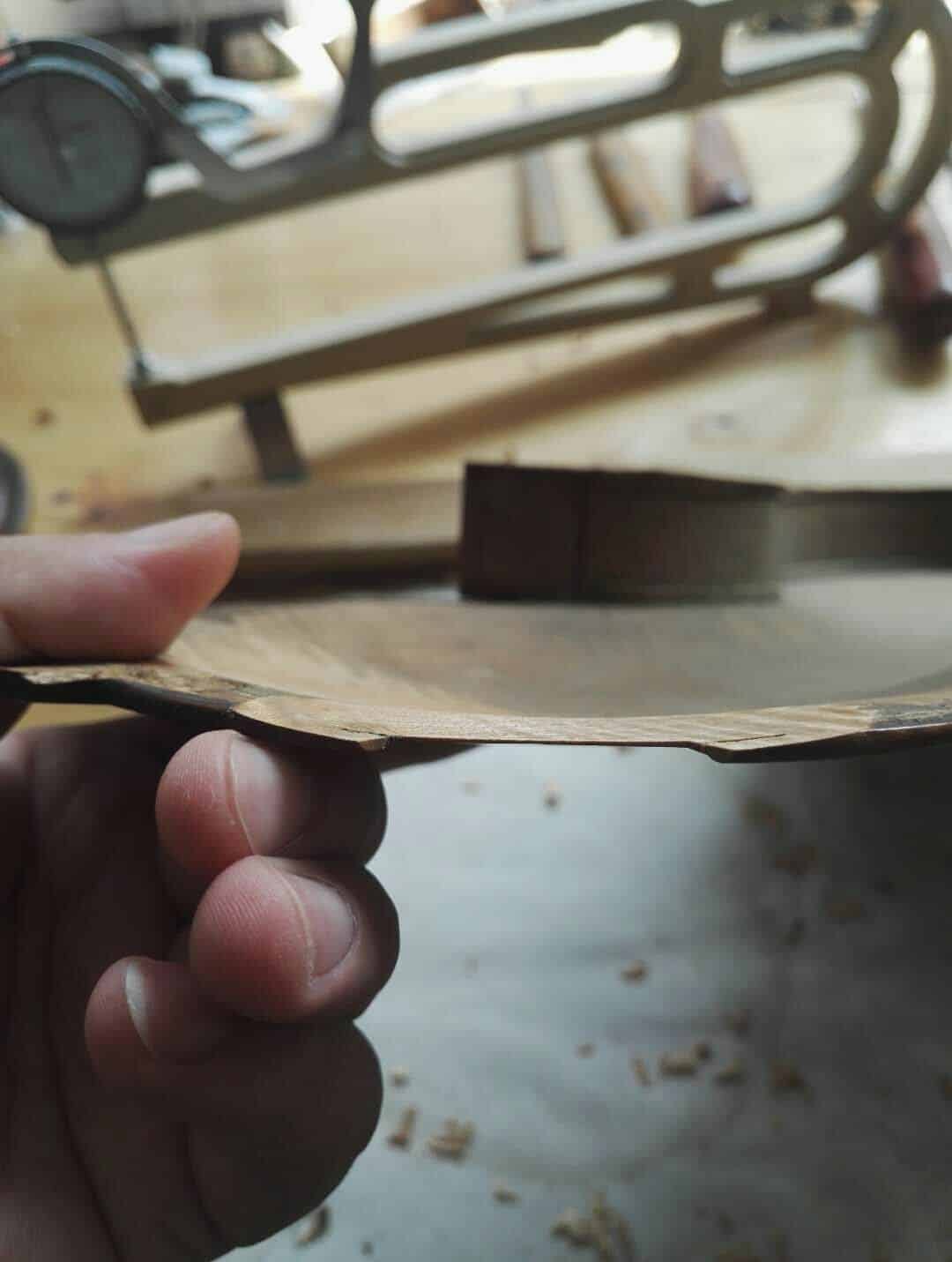
The methods used in violin restoration have developed over centuries within the workshops of European violin makers. These traditions remain the foundation of responsible restoration practice.
At the same time, modern knowledge—careful material study, improved conservation techniques, and a deeper understanding of historical construction—continues to refine our approach.
By combining traditional craftsmanship with contemporary conservation principles, we aim to ensure the long-term stability of each instrument.
Instruments as living objects
Unlike many historical artifacts, violins, violas, and cellos continue to fulfill the purpose for which they were created: making music.
Our restoration philosophy reflects this unique reality. The aim is not simply preservation, but thoughtful stewardship — allowing instruments to remain reliable partners for musicians while safeguarding their historical integrity.
Through careful and respectful work, these remarkable instruments can continue their musical journey for generations to come.